Ticks and Outdoor Camp: What BC Parents Should Know This Summer
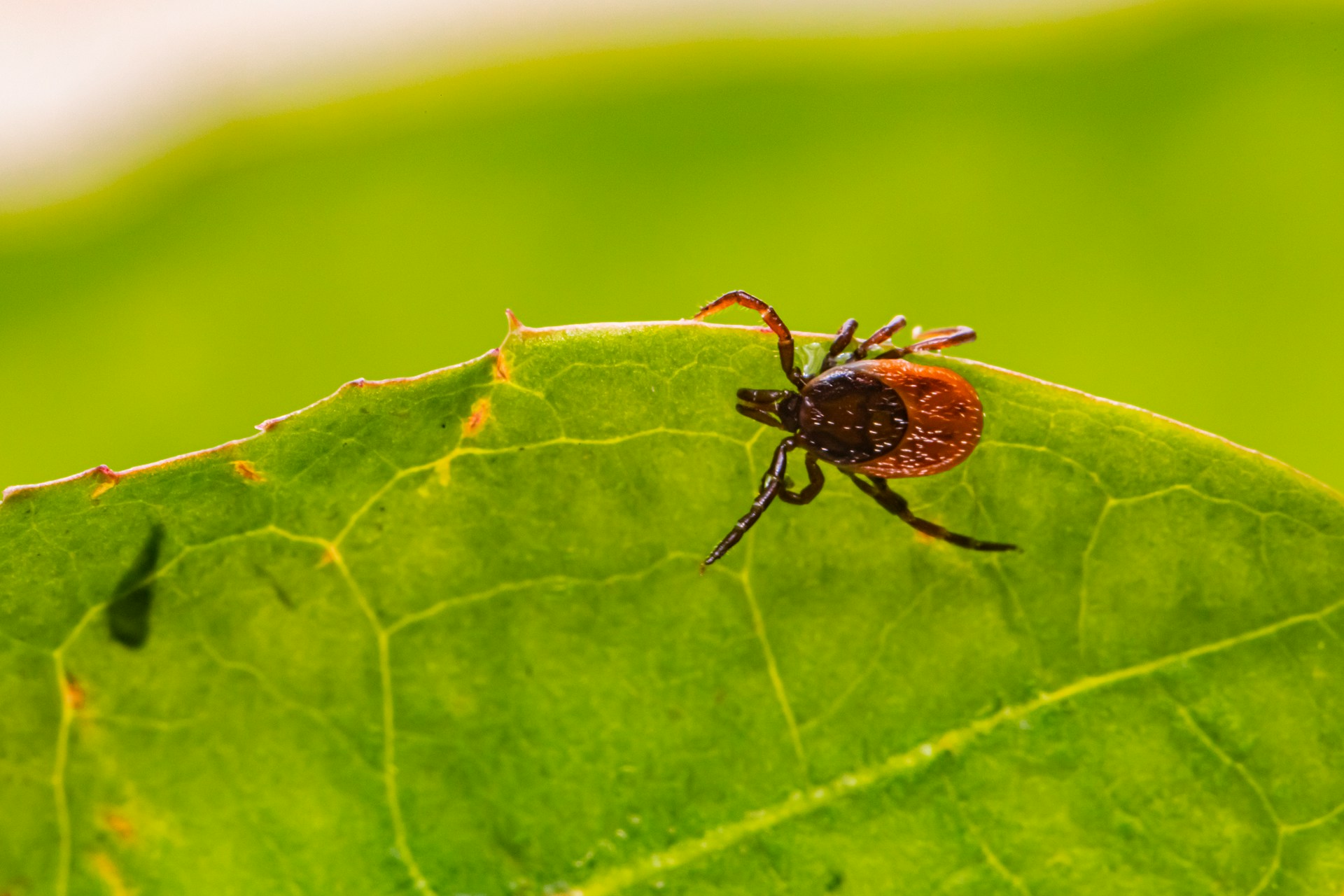
My kids are signed up for a full-day outdoor camp this summer, and somewhere between packing sunscreen and labelling water bottles it hit me that I know almost nothing about ticks. So I did the reading, pulled from BC and Canadian health sources, and here's the parent-friendly version.
First, the reassuring part. Most ticks do not carry disease, and most tick bites do not cause serious problems. But a small number carry Lyme disease, and the single best thing you can do is find and remove a tick quickly. That is the whole game.
Quick facts about ticks in BC
There are more than 20 tick species in BC, but only a few bite people. The one to know on the coast is the Western black-legged tick, which lives on low plants along trails and in brushy areas and is most active in spring and early summer.
Ticks do not jump, fly, or drop from trees. They wait on grass and shrubs and grab on when someone brushes past. And it takes at least 24 hours of attachment for a tick to pass on the Lyme bacteria, which is exactly why a same-day check matters so much.
Before camp: prevention
Dress for it. Long sleeves, long pants tucked into socks, and light-coloured clothing so a tick actually shows up against the fabric.
Use repellent. For kids, the Canadian Paediatric Society's first choice is icaridin (also called picaridin) at 20%, safe from 6 months and up. DEET works too, at 10% or less for children, no more than three times a day. Apply it yourself to younger kids rather than letting them do it, skip their hands and face, and if you are also using sunscreen, put the sunscreen on first and wait about 20 minutes.
Trail habits. Teach them to walk down the middle of the trail and not wade through the tall grass and bushes at the edges.
After camp: the daily tick check
Make it a summer habit. Check the whole body, because ticks like warm hidden spots: scalp and hairline, behind the ears, neck, underarms, belly button, waistband, behind the knees, and the groin. They can be as small as a poppy seed, so look closely.
Toss the camp clothes in the dryer on high heat for at least 10 minutes, which kills any hitchhikers, and a shower helps rinse off ones that have not attached yet.
If you find one: how to remove it
- Use fine-tipped tweezers and grab the tick as close to the skin as you can.
- Pull straight out, slow and steady. Do not twist, do not yank, and do not squeeze the body. Squeezing can push its contents into the bite.
- Clean the spot with soap and water.
- If it is buried deep or you cannot get all of it out, see your health-care provider.
Skip the folk remedies. No matches, nail polish, or petroleum jelly. Tweezers only.
After removal
Take a clear photo and upload it to eTick.ca, a free service that identifies ticks and tells you if it is a type that can carry disease. You can keep the tick in a sealed bag in the freezer in case it needs to be identified later.
Then watch for a few weeks. The classic warning sign is an expanding red rash, sometimes shaped like a bull's-eye, along with fever, headache, body aches, or fatigue. If any of that shows up, see your provider and tell them when and where the bite happened. Lyme disease is treatable with antibiotics, and early treatment is what prevents the bigger complications. When in doubt, call 8-1-1 for HealthLink BC.
Don't let it scare you off
Fresh air and forest are exactly where kids should spend their summer. A tick check is a two-minute habit, not a reason to keep them inside. If you are still sorting out summer plans, you can browse outdoor day camps near you and get them booked.
One note: I'm a parent who did the research, not a doctor. This is a plain-language summary of public health guidance, so when something feels off, check with a health professional.