How Soccer Powerhouses Are Really Built (and What It Means for Your Kid)
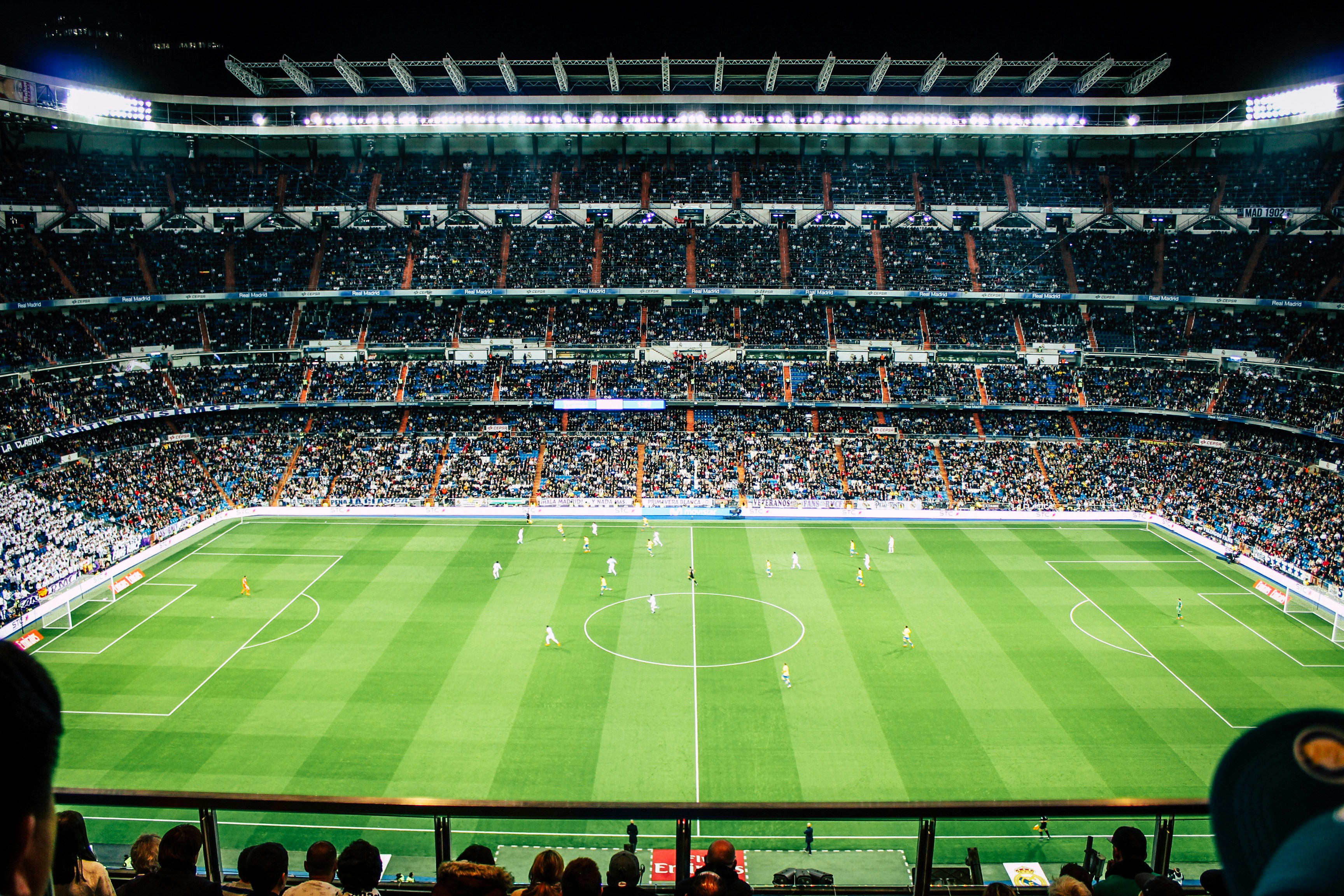
Something shifted this summer. With the World Cup on home soil and Canada holding its own, I watched my kid watch the games differently. Not as background noise, but leaning in, asking questions, wanting a ball at their feet the second the whistle blew. Multiply that by hundreds of thousands of kids across the country and you have the start of something.
It made me wonder how the big soccer nations got that way. How does a country become Argentina or Portugal, where world-class players seem to roll off a production line every few years? The answer is less about fancy academies than you would think, and it holds a real lesson for Canadian parents right now.
It starts with volume, not intensity
In Argentina, kids play constantly. Streets, dirt lots, school yards, anywhere with a ball. The pathway to the pros runs through local clubs and academies like Boca and River, but the foundation underneath it is informal street football and millions of children getting thousands of touches on the ball, mostly unsupervised, mostly for fun. Grassroots coaches there talk about putting fun and growth ahead of winning, letting kids stumble and figure it out for themselves. The structure comes later. The joy comes first.
Portugal is a small country that produces a staggering number of professional players per capita, and the researchers who study it point mostly to culture. Street football is how most Portuguese kids first fall for the game, long before any formal coaching begins. Yes, Benfica and Sporting pour money into world-class academies, the one that produced Ronaldo included, but those academies are skimming from an enormous pool of kids who already live and breathe the game.
The common thread is not expensive coaching at age five. It is a huge number of kids playing a huge amount, because they love it.
What that means for us
Here is the slightly spicy part. When a wave of World Cup excitement hits, the instinct is to funnel kids straight into the most serious, most competitive, most expensive program you can find. I think that gets it backwards.
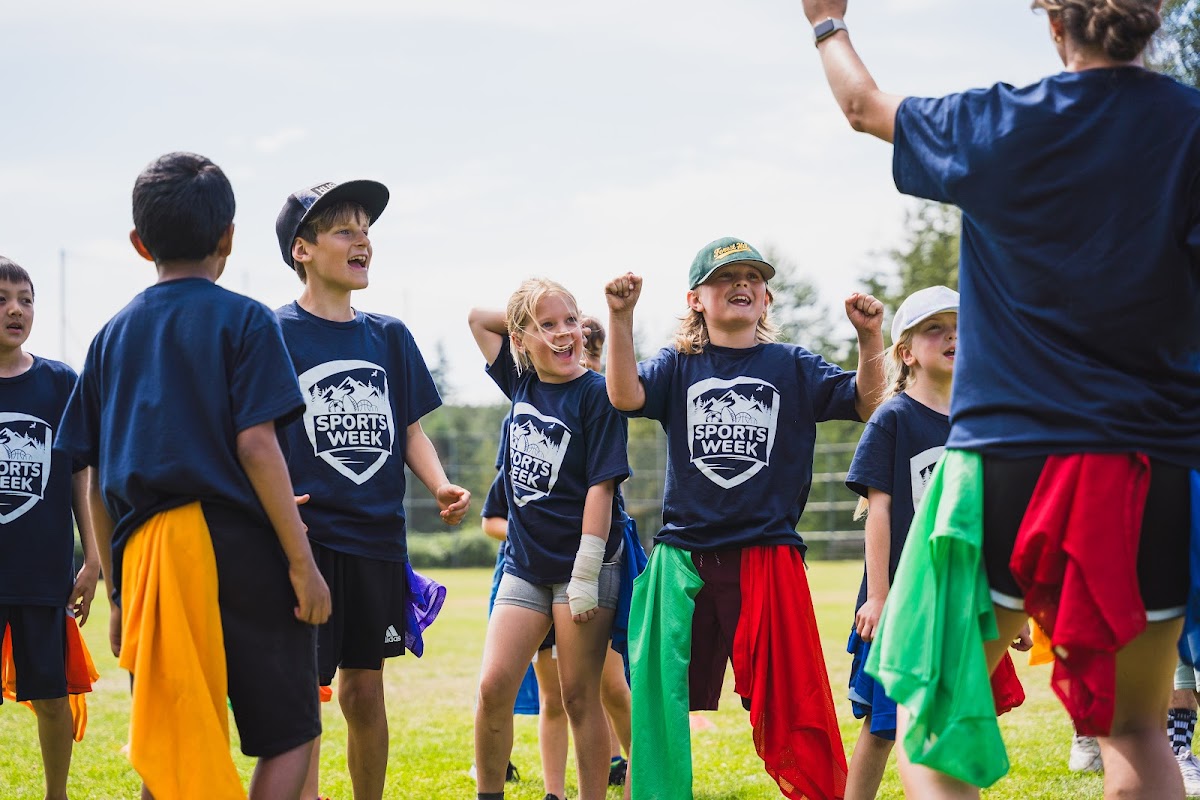
At five, six, seven years old, the goal is not to build a prospect. It is to build a kid who loves the game enough to keep playing at fifteen, when it starts to matter. That means touches, unstructured play, small-sided games, and fun. Overloading a young kid with high-stakes competition is the fastest way to produce a burned-out ten-year-old who quits.
Powerhouse nations are not built in one World Cup. They are built over decades, one generation of kids who stuck with it at a time. Canada just got its once-in-a-generation spark. Whether it turns into anything depends on a very unglamorous thing: a lot of ordinary kids playing a lot of ordinary soccer, close to home, and enjoying it.
Ride the wave
So if your kid has caught the bug, this is the moment. You do not need an elite academy. You need something local, low-pressure, and fun enough that they want to go back. Start them in a recreational program, kick a ball around in the yard, let them fall in love with it first.
If you are looking for somewhere to start, you can browse local soccer and sports programs on SkimScout and find something close to home.
Twenty years from now, the players wearing the maple leaf will be the kids lacing up this summer. Might as well be yours.
Programs relevant to this post