5 Things I've Learned as a Baseball Parent
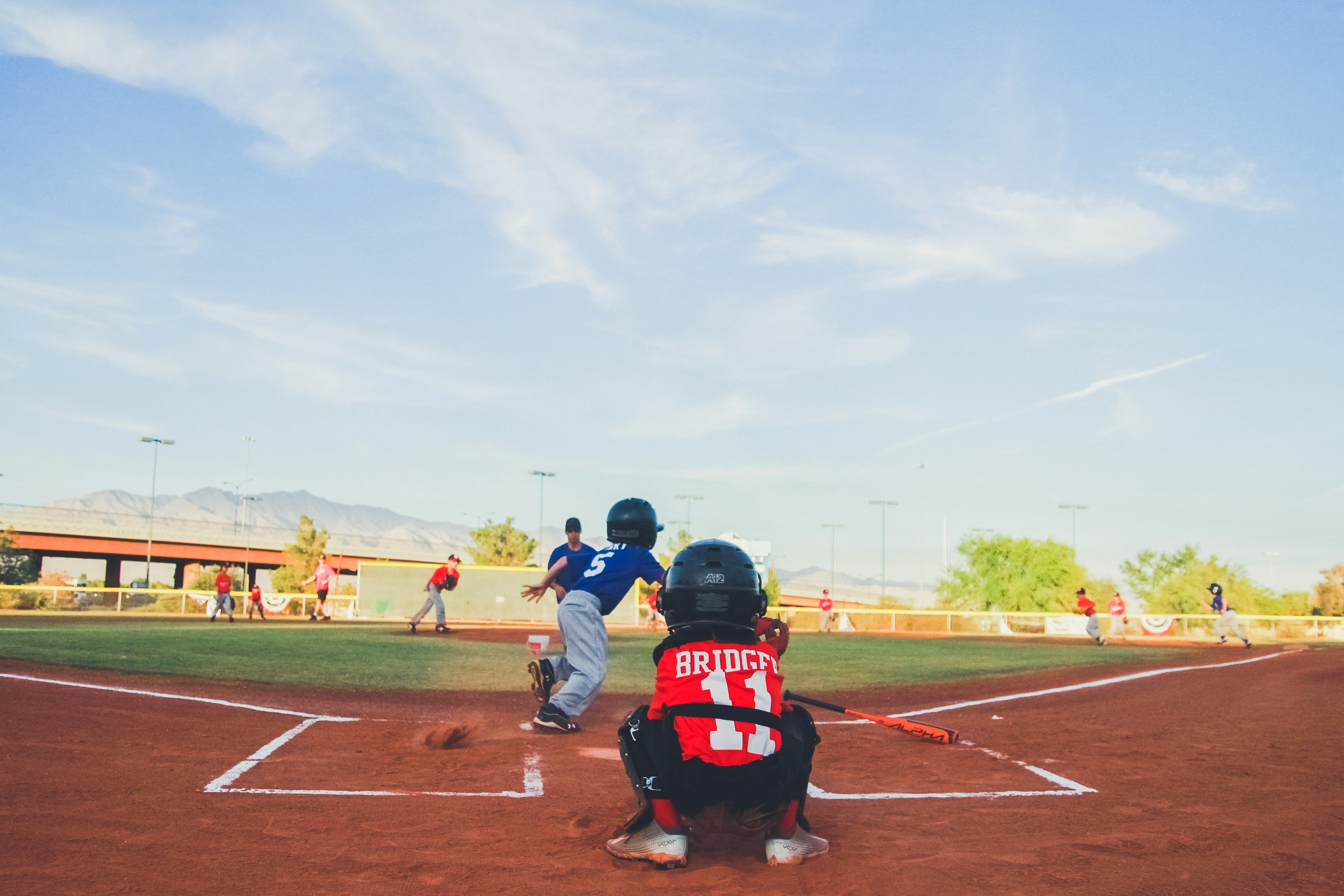
A few seasons into being a baseball parent, I've picked up some lessons the hard way. Some are about the kids. Most, it turns out, are about the parents. If your child is about to start, or you are weighing whether to level up from rec to a competitive team, here is what I wish someone had told me first.
1. The time commitment is bigger than you think
Even at the rec level there are weeknight practices and weekend games. Move up to a Select or travel team and it can swallow your whole summer: multiple practices a week plus full weekends at tournaments, sometimes out of town. National surveys of youth-sports families put travel as the single biggest expense, and it is one of the biggest time costs too. Go in with your eyes open about what it does to your family calendar.
2. You are volunteering, whether you planned to or not
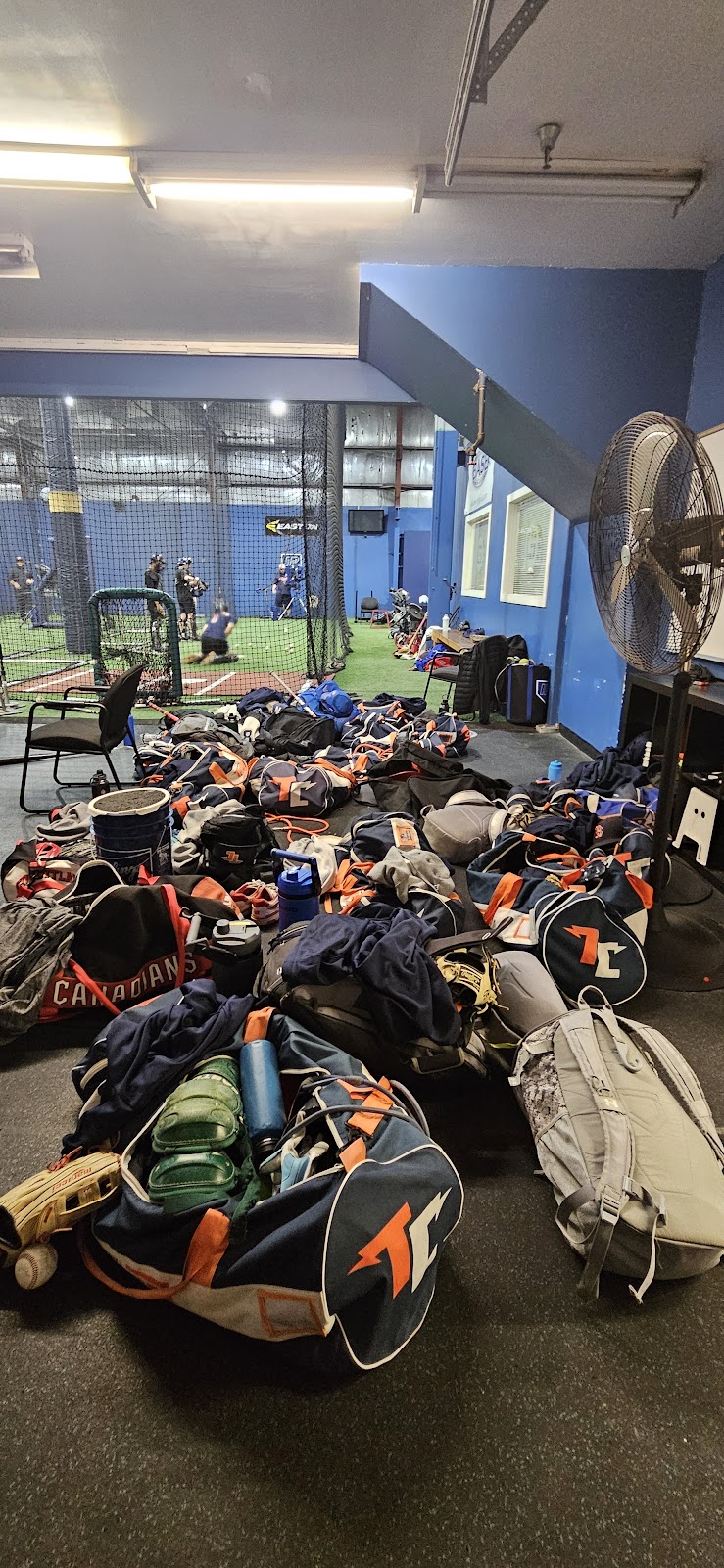
Youth baseball runs on parent labour. Coaching, scorekeeping, field prep, running the concession, hauling gear, bringing snacks, coordinating tournament logistics. Plenty of organizations make it an explicit requirement, with a set number of volunteer hours per child and a buy-out fee if you would rather pay than pitch in. None of this is a bad thing. It is part of what keeps fees down and the lights on. Just know that signing your kid up usually signs you up too.
3. Competitive teams can get tense, and the kids feel it
Move up to Select or All-Stars and the intensity climbs, not just among the players but among the adults. I have watched coaches clash over a call and felt the whole dugout deflate. Here is what the research keeps finding: kids play for fun, and adult behaviour is what most often takes it away. The studies on why children quit sports point to the same thing over and over. It stops being fun, often because of pressure and sideline conflict from grown-ups. When the adults lose the plot over a close play at second, the kids are the ones who quietly stop enjoying it.
4. Your coach is probably a parent, and that is a mixed bag
Most youth teams are coached by volunteers, usually somebody's mom or dad. A lot of them are excellent. But baseball is technical, and not every volunteer has the mechanics right. Mine once had my kid set up in a batting stance that turned out to be flat wrong, and we did not catch it for a while. I am not knocking parent coaches. They show up, and the whole system leans on them. But bad coaching is one of the most common complaints in youth baseball, so if your kid is keen and you want them building good habits, a few sessions with a qualified hitting or pitching instructor on the side can be worth it. Fix the mechanics early, before they become hard to unlearn.
5. You do not need the $500 bat
The gear industry is very good at convincing you that a premium bat and a custom glove will make your eight-year-old better. It will not. Youth equipment can run several hundred dollars a year, and for a young kid the return on that spend is close to zero. What helps is reps, good fundamentals, and enough fun that they want to keep showing up. Worth remembering that only a tiny fraction of youth players go on to college or pro ball, and most who do grew up playing multiple sports. Buy something safe and the right size, and put the rest toward a lesson or two, or into simply keeping it fun.
None of this is a reason to skip signing your kid up. Baseball has given mine friendships, confidence, and a lot of good summer evenings. Go in knowing what it asks of you, keep it fun, and do not let the arms race of gear and intensity get in the way of a kid learning to love the game. If you are looking for a program to start with, you can browse local baseball and sports options on SkimScout.
Programs relevant to this post